


Application of Gas Fire Suppression
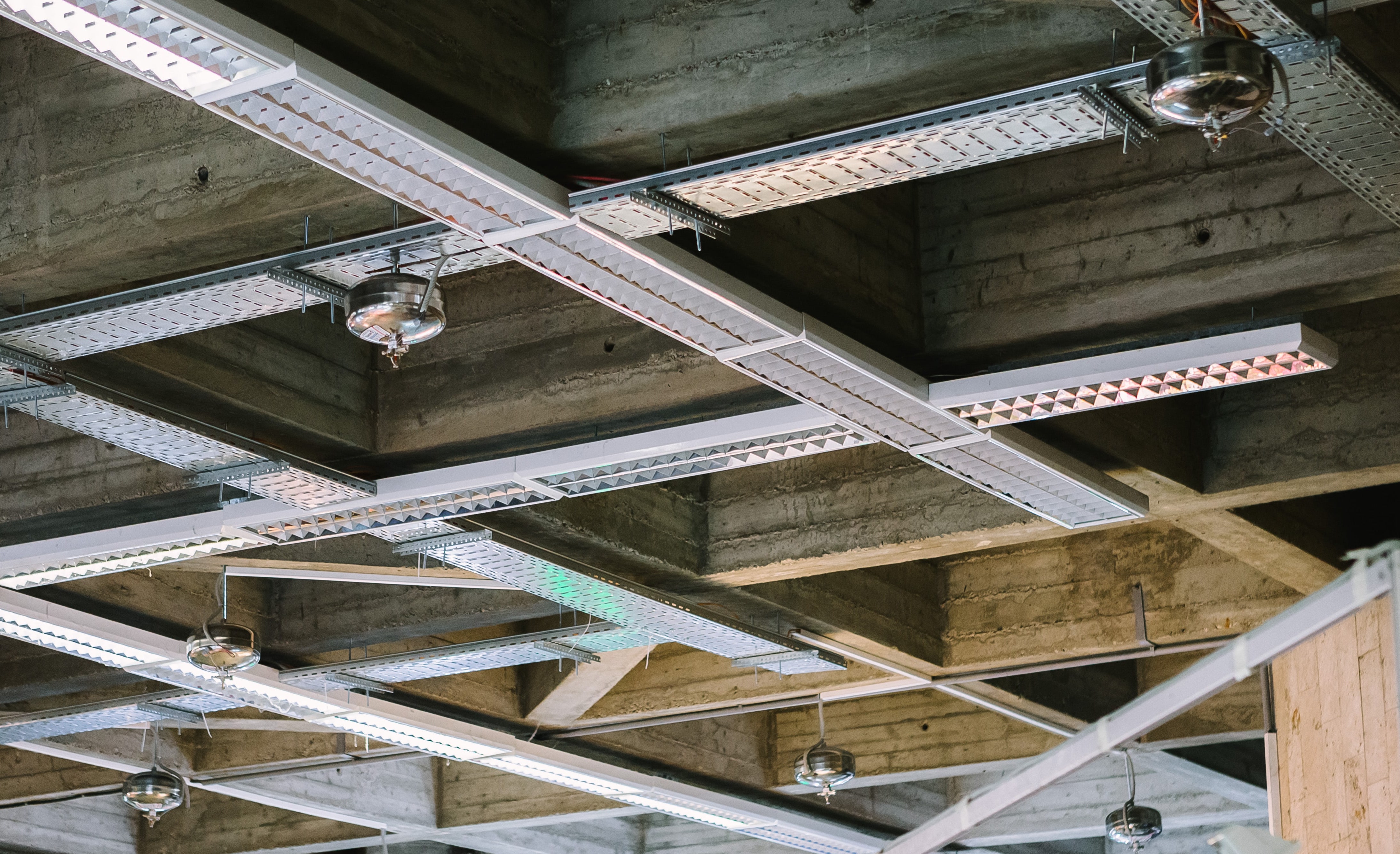
Gas fire suppression is an alternative to traditional sprinkler and deluge fire-fighting systems that use water. Water is sprayed from ceiling-mounted sprinklers and may damage property and valuables, while also flooding the premises. Powder-based systems have similar drawbacks, as they cannot protect electronics, expensive furniture and art, paintings, books, or money.
Gas fire suppression avoids the disadvantages of water and powder systems. The flame is extinguished by releasing nitrogen, halon, or another gas that does not harm the objects in the room. The gas reduces temperature and the amount of oxygen necessary for combustion. A simple example of gas fire suppression used in daily life is a carbon dioxide (CO₂) fire extinguisher. Replacing this gas with others allows extinguishing Class ABCE fires and implementing automated systems (AFSS) similar to sprinkler and deluge systems. These activate automatically during a fire, suppress flames in the early stages, and prevent re-ignition.
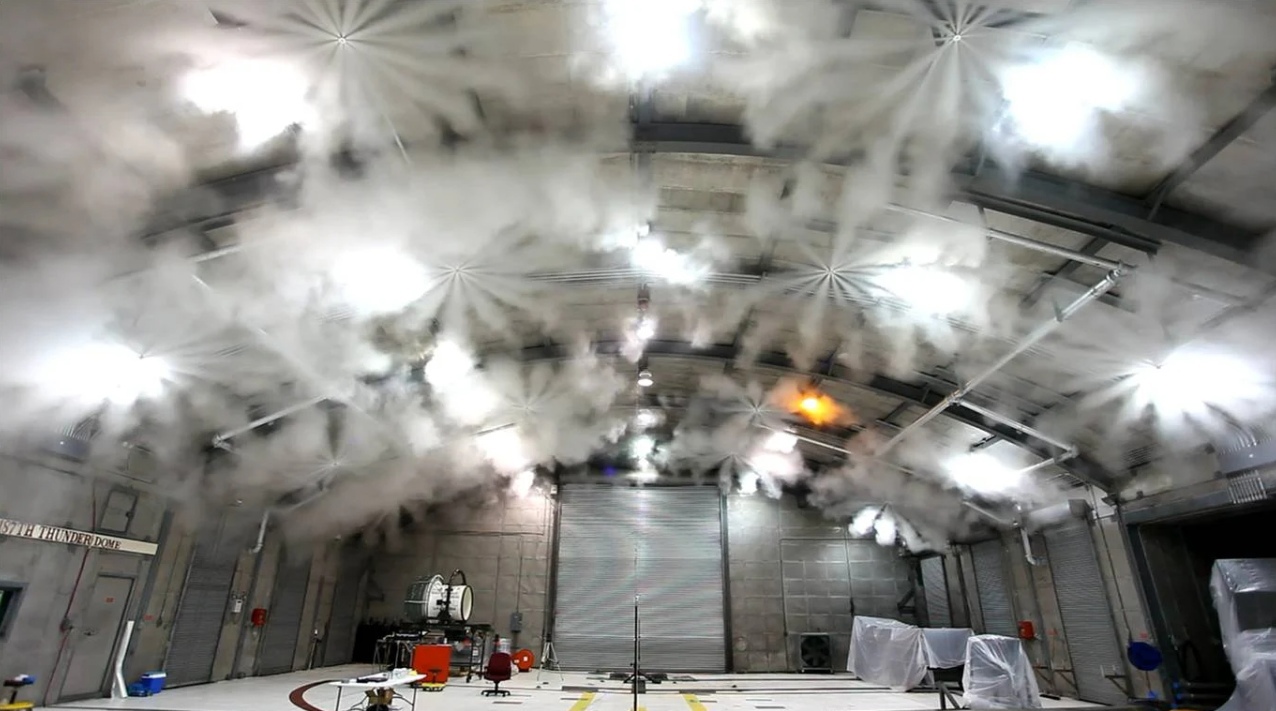
Example of a Gas Fire Suppression System in Operation. Source: firetrace.com
Where Gas Fire Suppression is Used
Gas fire suppression works by releasing halon, nitrogen, Inergen, or other agents into the room’s atmosphere. These substances do not directly contact burning objects, unlike powder or water systems, and do not damage them. This feature makes gas suppression systems suitable for installation in:
- Bank vaults
- Museums, libraries, and archives
- Server rooms and areas with large volumes of electronic equipment
- Cultural heritage sites
Depending on the agent used, gas fire suppression systems operate within 10 to 60 seconds, filling the room with gas. Key features of the system include:
- Limited protection area: Best suited for small rooms. For spaces of 200–300 m² with 10–15 m ceilings, a large volume of gas and many cylinders are required, reducing efficiency.
- Strict evacuation requirements: Unlike water, most gases displace oxygen and may cause asphyxiation. Clear evacuation procedures must be in place, allowing personnel to exit within 1–2 minutes. This is typically feasible only for trained staff. For this reason, water-based sprinkler systems are used in shopping centers.
- Room tightness: Gas must not escape. Rooms must have sealed windows and no drafts.
- High cost: Sprinkler or deluge systems are cheaper to design and install. Gas suppression is mainly used in areas with high-value assets.
Classification of Gas Fire Suppression Systems
Like CO₂ fire extinguishers, gas suppression systems use steel cylinders filled with gaseous fire-extinguishing agents (GFEAs). These fall into two categories:
- Inhibitors or liquefied GFEAs: Slow combustion through chemical interaction with flames, lowering temperature to a point where fire cannot spread. They do not displace oxygen, allowing people to breathe. Common inhibitors include Halon 23, 125, and 227ea, and CO₂.
- Atmosphere-diluting GFEAs: Examples include non-toxic nitrogen, argon, and Inergen (a mix of nitrogen, argon, and CO₂). These displace oxygen, making breathing difficult and possibly causing asphyxiation. Inergen is considered the safest liquefied GFEA.
Safety Margin of Various GFEAs in Occupied Areas:
|
|
|
|
|
|
|
|||||||||
|---|---|---|---|---|---|---|---|---|---|---|---|---|---|---|---|
| Halon 23 | 18 | 50 | 14,6 | 35,4 |
|
|
|||||||||
| Halon 318c | 19 | 30 | 7,8 | 22,2 | |||||||||||
| Halon 227ea | 19 | 10,5 | 7,2 | 3,3 | |||||||||||
| Halon 125 | 18 | 10,2 | 9,8 | 0,3 |
|
||||||||||
| CO₂ | <13 | – | 34,9 | – |
|
|
|||||||||
| Nitrogen | <13 | – | 34,6 | – |
|
||||||||||
| Argon | <13 | – | 39 | – | |||||||||||
| Inergen | <13 | – | 36,5 | – |
Source: Scientific research, UDC 614.84.664
If people are not present constantly or can evacuate quickly, CO₂, nitrogen, argon, and Inergen may be used. Before gas is released, all personnel must leave the room upon a fire alarm signal.
Gas fire suppression systems differ by construction and protection area:
- Modular suspended systems (MGFS): Fully autonomous gas suppression systems mounted under the ceiling. These are gas cylinders with a pressure sensor and a thermal lock (sprinkler). The thermal lock is a small, shatter-resistant glass ampoule filled with liquid. When the temperature exceeds a certain threshold (e.g., +65°C), it bursts and triggers gas release.
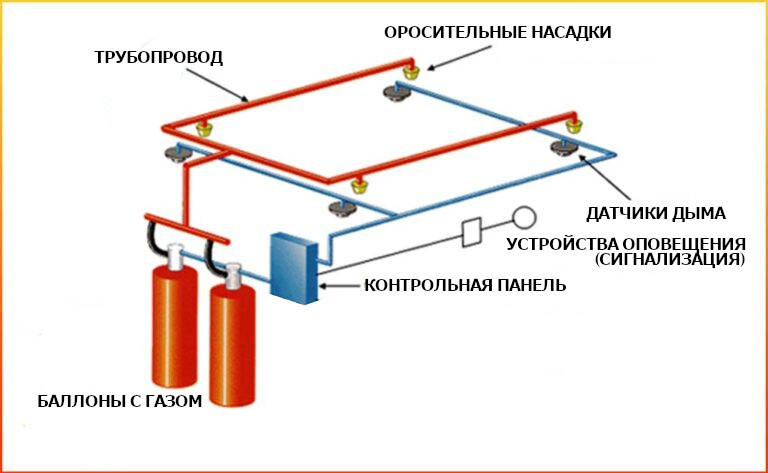
- Centralized Systems. Designed like sprinkler or deluge systems. A pipe network with nozzles is installed under the ceiling and connected to gas cylinders. Flame and smoke detectors detect fire and trigger the release of gas fire extinguishing agent.
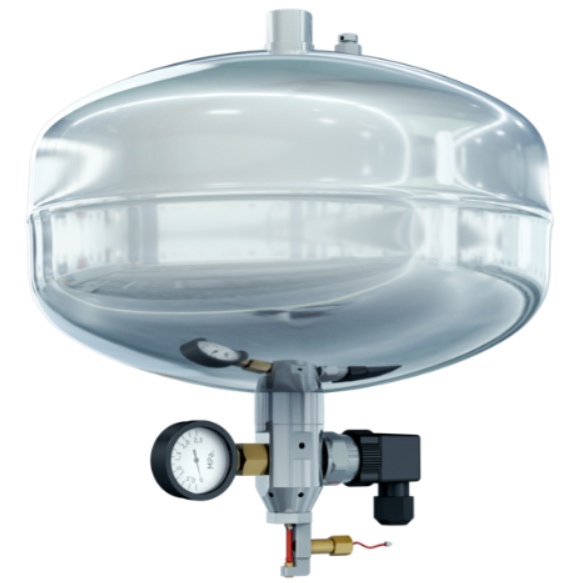
Modular MGFS by BONTEL Group. Sprinkler visible at the base of the cylinder.
Structure of a Gas Fire Suppression System
Standards for automatic gas suppression systems are defined in State Standard 50969-96 and Code of Practice 485.1311500.2020. The choice between system types depends on coverage area and cost-effectiveness:
- MGFS is ideal for small rooms and operates without electricity, even in emergencies. Suitable for server rooms and vaults.
- Centralized systems are better for large buildings with three or more rooms needing gas fire protection.
Drawbacks of centralized systems:
-
Requires a dedicated room for cylinders and control equipment
-
Subject to strict regulations (e.g., Fire regulations (NPB) 88-2001)
The modular system consists of a cylinder and a valve-starting device with a nozzle and sensor. The centralized system is more complex, with separate detectors connected to the AFSS control panel.
Main Equipment and Layout of a Centralized Gas Fire Suppression System:
Service life is 10 years. After that, it must undergo full inspection, with some components replaced and cylinders refilled. Centralized systems follow a maintenance schedule:
-
Monthly: Visual inspection, cleaning, and pressure check
-
Annually: Metrological calibration, resistance checks (also for MGFS)
-
Every 3 years: Insulation resistance check
-
Every 3.5 years: Pipeline leak test
-
Every 5 years: Cylinder weight check, refilling if needed
How Gas Fire Suppression Works
The operational principle is similar to other automatic systems:
- A fire breaks out, with early signs such as heat or smoke.
- Sensors detect the fire. In MGFS, they instantly trigger gas release.
- A signal is sent to the control panel and fire alarm, prompting evacuation.
- After a short delay, the control panel activates the gas release. Valves open, and the agent floods the room under pressure.
Gas fire suppression requires expert equipment selection and system design. BONTEL Group’s specialists have extensive experience, install AFSS across Russia, and comply with all legal standards. For consultation, call: +7 (499) 322-21-12.