


Primary Fire Extinguishing Equipment
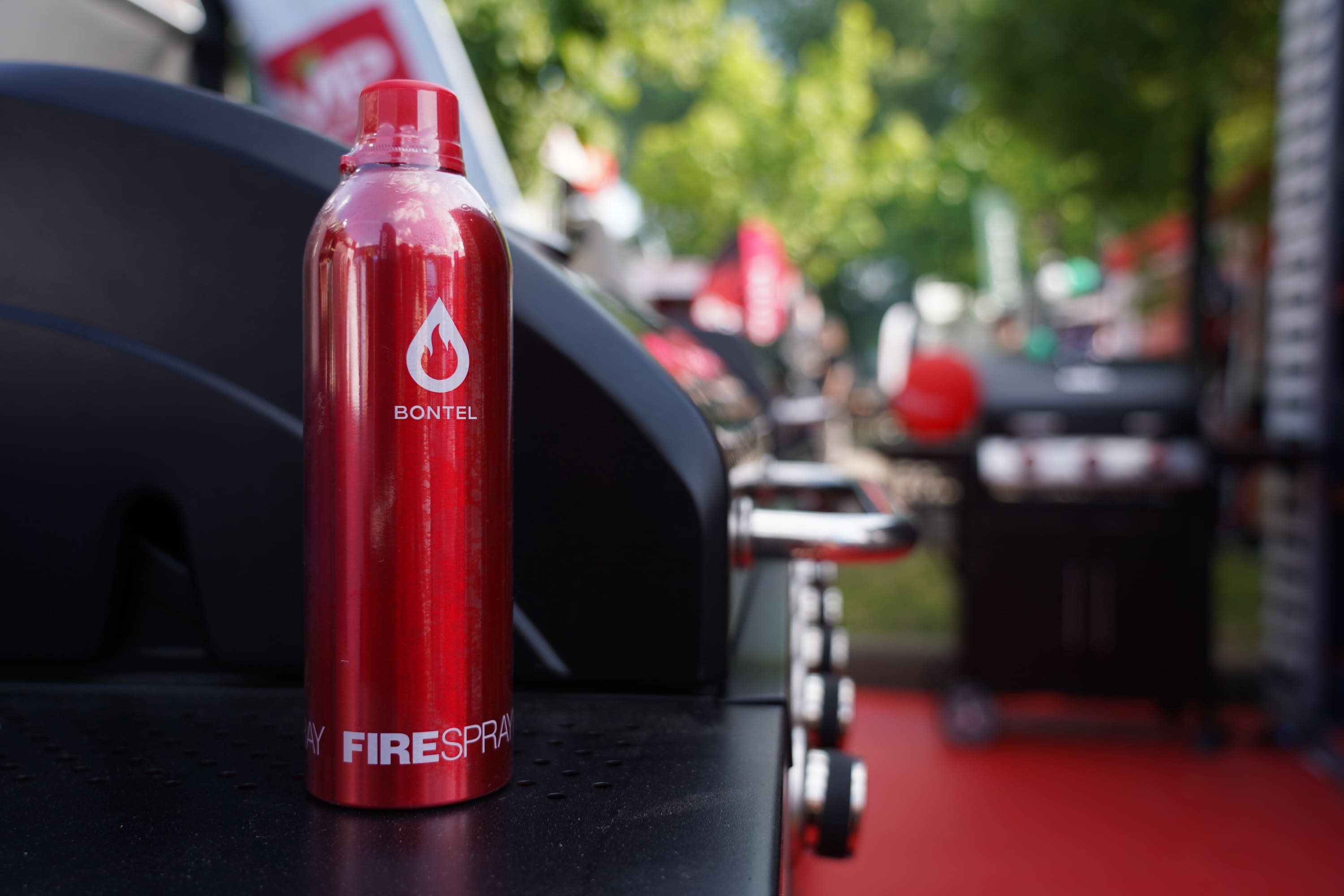
According to statistics from the Russian Ministry of Emergency Situations (EMERCOM), approximately 350,000 fires occurred across Russia in 2023. In many cases, the fire could have been extinguished before the arrival of emergency services (dial 101) using a fire extinguisher or other forms of primary fire extinguishing equipment (PFEE). These tools are designed to combat fires at an early stage—before the flames spread over a large area.
What Is Considered Primary Fire Extinguishing Equipment?
The following items are classified as primary fire extinguishing equipment:
-
Fire extinguishers — both portable and wheeled types.
-
Simple extinguishing agents such as water and sand.
-
Manual firefighting tools — including fire hooks, shovels, buckets, and fire blankets.
-
Fire cabinets and boards for storing extinguishers and tools.
-
Fire hydrants and fire hoses connected to internal fire mains.
The core component of any PFEE setup is the fire extinguisher. For example, according to item 7.7 of the Russian Traffic Regulations, every driver is required to have one in their vehicle. This allows for quick response to fires in the engine compartment or passenger cabin. Notably, 11–12% of all fires occur in vehicles, according to EMERCOM data.
Purpose of Primary Fire Extinguishing Equipment
Primary fire extinguishing tools are intended for use in the early stages of a fire, allowing for:
- Extinguishing the flames before fire crews arrive.
- Containing the fire, preventing it from spreading.
- Ensuring safety during hot work (e.g., welding), where having a fire extinguisher on hand is mandatory.
Real-World Examples of Successful Use of PFEE
- Tula, 2018: Dry vegetation caught fire near the "Klumba" complex. The fire spread to nearby trash, but staff used 15 extinguishers and a hydrant to stop the spread. EMERCOM crews extinguished the fire in three minutes.
- Surgut, 2022: A fire broke out in a hospital room. A man extinguished it entirely using a fire extinguisher before emergency responders arrived.
- Saint Petersburg, 2020: A fire began in an apartment. Workers from a nearby “Pyaterochka” store reacted promptly, using ladders and store fire extinguishers to eliminate the blaze, which affected only 3 m².
- Veshkayma (Ulyanovsk Oblast), 2024: A passing National Guard crew noticed a burning wall on a store. They reported the fire and started extinguishing it with sand, successfully containing it before emergency services arrived.
- SNT "Sibiryak" (Novosibirsk), 2024: A man noticed smoke from a summer house and began firefighting with garden hoses and buckets of water. The fire was controlled and did not spread to adjacent buildings.
These cases highlight how timely and proper use of PFEE can significantly reduce property damage and save lives.
Types of Primary Fire Extinguishing Equipment
Primary fire extinguishing equipment includes:
- All types of fire extinguishers — both portable and wheeled models.
- Traditional and basic extinguishing agents — such as water and sand.
- Manual firefighting tools — including fire hooks, shovels, buckets, and fire blankets.
- Storage locations for extinguishers and equipment — fire boards and cabinets.
- Valves connected to internal fire mains and deployable fire hoses for nozzles.
Fire extinguishers are the most critical tools, classified into four main types, depending on the fire class (A, B, C, and E):
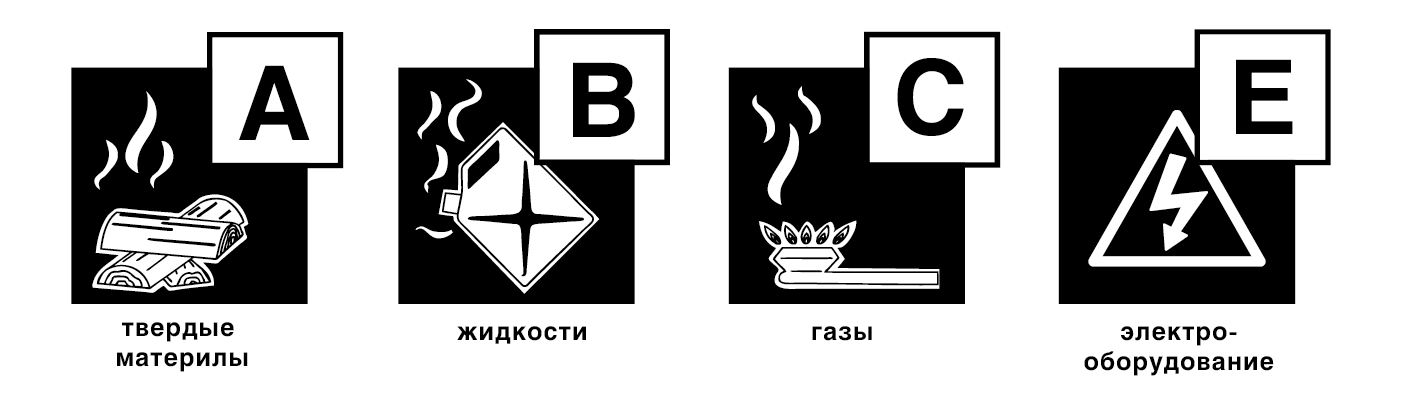
- Liquid-Based Extinguishers. Types: water-based and air-foam models. They can extinguish solid materials such as wood, textiles, and flammable liquids (ignited gasoline, oils). Liquid-based extinguishers must not be directed at electrical appliances or live wires. Water conducts electricity and may cause electric shock to the user.
- Powder Extinguishers. The most common and cost-effective type. Unlike liquid-based ones, they can extinguish fires of all four classes and energized electrical equipment. The only drawback is the toxicity of the powder. It is not recommended to inhale. In enclosed spaces, such as small apartments, the powder can cause coughing and suffocation.
- Carbon Dioxide Extinguishers (CO₂). Unlike powder extinguishers, they are less effective on Class A fires (solid materials). For example, wood fibers may continue to smolder. The main advantage of CO₂ extinguishers is that they do not contaminate surfaces, making them suitable for use on electronics and valuable property.
- Air-Emulsion Extinguishers. The most modern type of fire extinguisher. They are effective against all four classes of fires.
Fire extinguishing can be carried out using primary fire extinguishing equipment placed on a fire board.
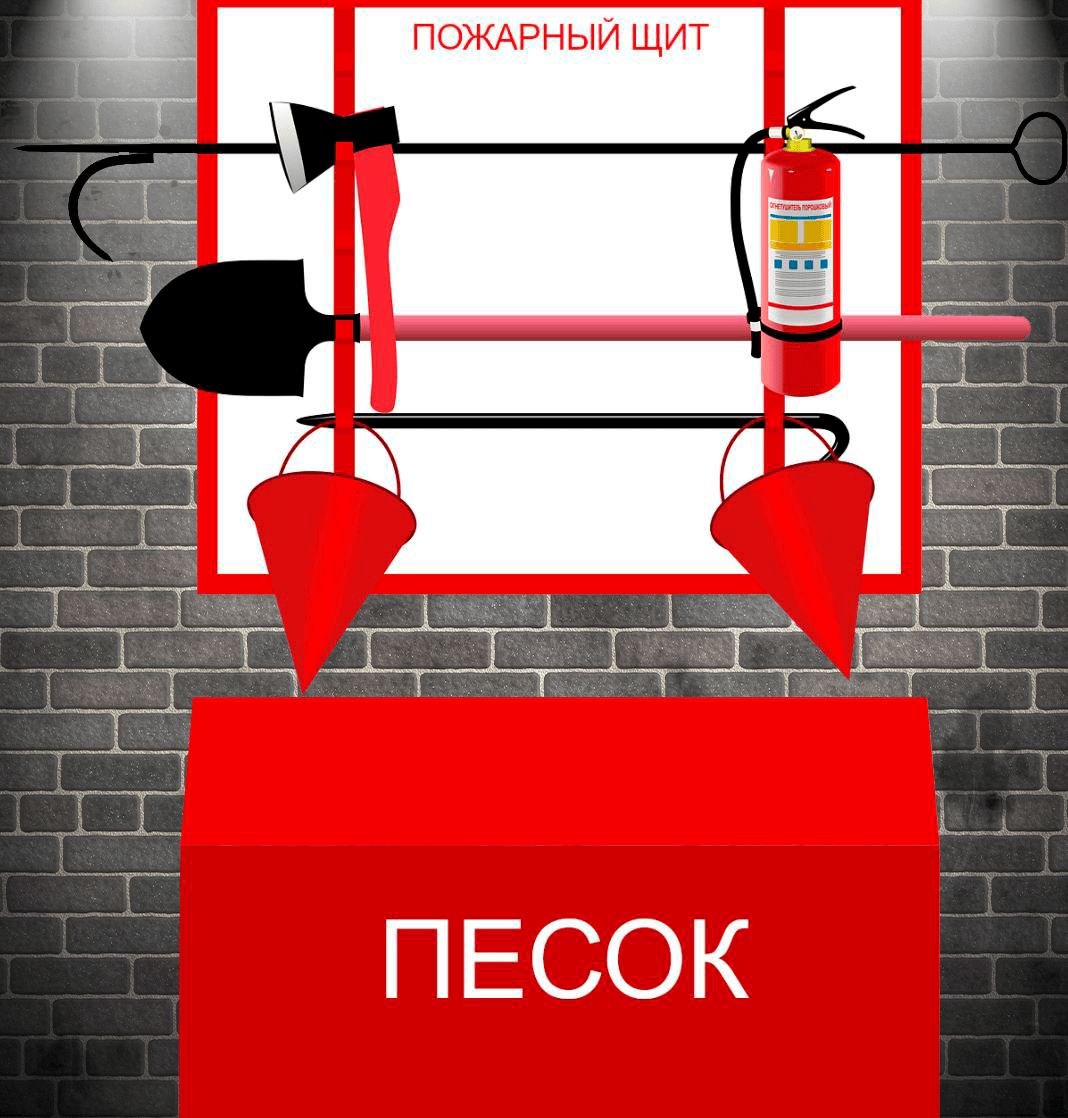
The fire board includes:
- Fire extinguishers of various types.
- Fire hooks. A long hook with a wooden handle. Used to break apart and move burning materials, preventing fire spread.
- Crowbars and axes. Allow removal of obstacles such as windows, doors, and partitions.
- Shovels. Both pointed and scoop types. Used to cover the fire source with sand or improvised materials such as snow or soil.
- Conical buckets. Like shovels, they are used for working with sand, soil, and snow. They can also be filled with water. The conical shape allows quick filling and complete emptying over the maximum possible distance.
- Fire blankets. "Covers" made of asbestos or other fire-resistant fabrics. They can be used to cover the fire source and deprive it of oxygen. A blanket can also be thrown over a person who is on fire.
At gas stations, open outdoor areas, inside warehouses, and industrial shops, containers with sand and barrels of water must be installed. According to the requirements for primary fire extinguishing equipment:
- Barrels must be placed near fire boards with buckets. The minimum volume is 0.2 cubic meters or 200 liters.
- Sand containers are mandatory at facilities where Class B fires (liquid substances) are possible. For this reason, they are installed at all gas stations. The container must have a volume of 0.5 to 3 cubic meters and be protected from rain and snow by a lid.
The requirements for primary fire extinguishing equipment are specified in Federal Law No. 123 "Technical Regulations on Fire Safety Requirements". Storage locations for PFEE are regulated by laws and standards of the Russian Federation. For example, fire extinguishers must be protected from direct sunlight, potential mechanical damage, and heat from equipment. Depending on their weight, they are placed:
- At a height of up to 1.5 meters — for units weighing up to 15 kg.
- On the floor or no higher than 1 meter — for units over 15 kg.
Rules for Using Primary Fire Extinguishing Equipment
Outside of fire situations, primary fire extinguishing equipment must be:
- Regularly inspected for operability. For example, fire extinguishers must be weighed and recharged at intervals ranging from 1 to 10 years, depending on the model. Fire hooks, shovels, and other tools must be checked for integrity.
- Not used for non-firefighting purposes. For example, buckets and axes must not be used for technical or general-purpose tasks in production.
During a fire, rules for using PFEE require that you:
- Stay at least 2–3 meters away from the flame.
- Fight the fire while ensuring personal safety. Do not risk your life or health. If the fire cannot be contained, stop attempting to extinguish it and evacuate.
- Select the appropriate extinguishing agent and equipment depending on the fire class.
What Primary Fire Extinguishing Equipment to Use Based on Fire Class:
- Class A — solid materials. These fires often occur in homes and apartments—furniture, textiles, wallpaper, and other elements catch fire. Suitable equipment: powder extinguishers, liquid-based extinguishers, water, and sand.
- Class B — flammable liquids. Common at gas stations, production sites, and warehouses. Extinguished with sand, carbon dioxide, powder, or air-emulsion extinguishers.
- Class C — combustible gases. Extinguished with powder, liquid-based, air-emulsion extinguishers, and water.
- Class E — energized electrical equipment. A common fire type in homes and apartments. Can only be extinguished with sand and non-water-based extinguishers: powder (P), carbon dioxide (CO₂), or air-emulsion (AE).
Employers are required to train staff in the use of primary fire extinguishing equipment in industrial and warehouse settings. All employees must undergo:
- Fire safety instruction — understanding what actions to take in the event of a fire.
- "Fire-Technical Minimum" training — learning how to properly handle basic PFEE.
Basic Rules for Using a Fire Extinguisher:
- Operate the extinguisher from a distance of 2–3 meters from the fire.
- Aim the discharge from the base of the flame toward the fire source.
In large administrative buildings and apartment complexes with 12 or more stories, the law requires the installation of fire cabinets with valves and hoses. These must be connected to the building’s fire water supply and provide a powerful stream to quickly extinguish fires inside apartments.
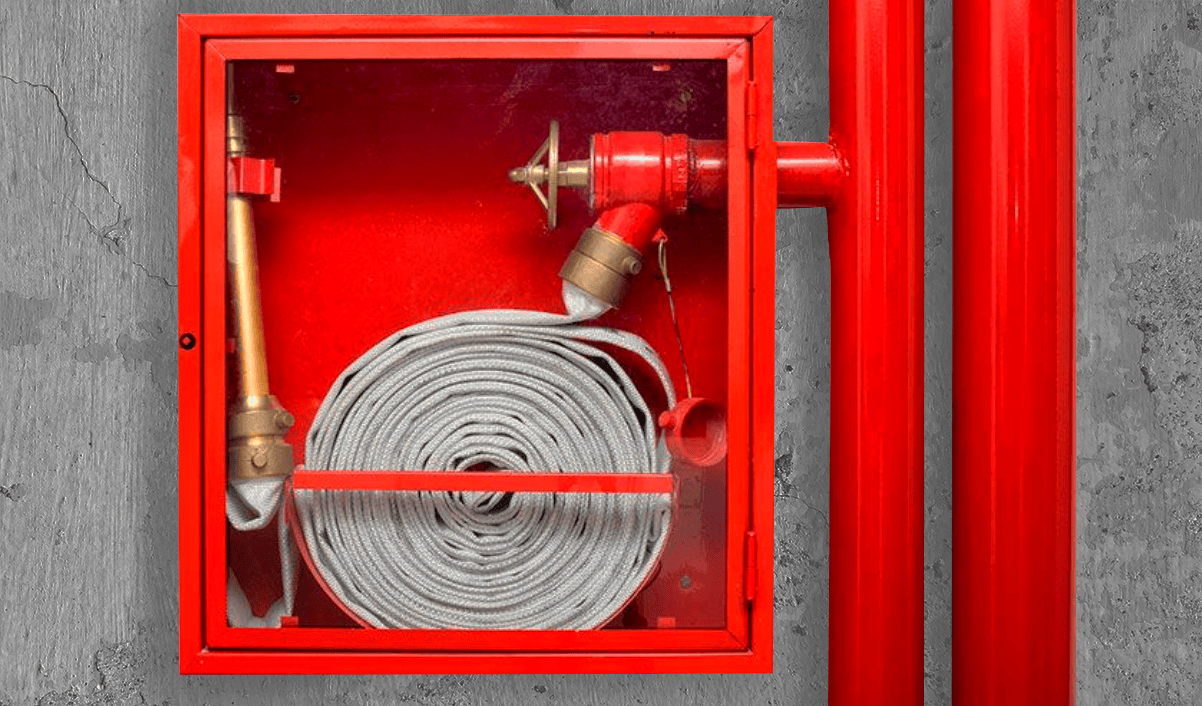
Any resident can use them. To do so:
- Turn off electricity in the room/apartment on fire.
- Ensure outlets and appliances are de-energized — water must not be used on Class E fires.
- Unlock the cabinet with a key and break the seal. The key is usually attached to the cabinet and accessible to residents.
- Open the door. If difficult, force it open or break the glass/plastic panel.
- Unroll the hose, connect it to the spray nozzle and valve (pipe).
- Open the nozzle valve and the main valve.
- Take the nozzle and proceed to the burning area. It’s best to do this in pairs — one person unwinds the hose and fights the fire, the second opens the water valve.
Primary fire extinguishing equipment provides a chance to put out a fire at an early stage. This requires prompt reaction, calmness, and proper use of equipment. However, the "human factor" can still interfere. The only guaranteed way to minimize fire risk is to install an Automatic Fire Suppression System (AFSS). It detects flame and smoke via sensors and activates in the necessary zone.
BONTEL Group offers its customers modern AE-type extinguishers with an innovative composition and AFSS installation.
For a consultation, call